- Home
- Skincare Guide
- Face Oils
Why Face Oil Made My Skin Look Worse (And how to Use It Correctly)

Face oils have been part of my routine for years, but for a long time I was using them the wrong way.
Instead of making my skin look smoother, they often left it shiny, heavy, or even a little bumpy by the end of the day. The extra shine also seemed to make my pores, lines, and skin texture stand out more—not exactly the healthy glow I was hoping for.
What I finally learned is that face oil usually looks greasy for three reasons: you’re using too much, applying it in the wrong order, or using an oil that is simply too heavy for your skin.
Once I started using fewer drops, applying them to slightly damp skin, and choosing lighter oils, my skin looked smoother and healthier instead of oily.
Here’s the simple method that made the biggest difference for me.
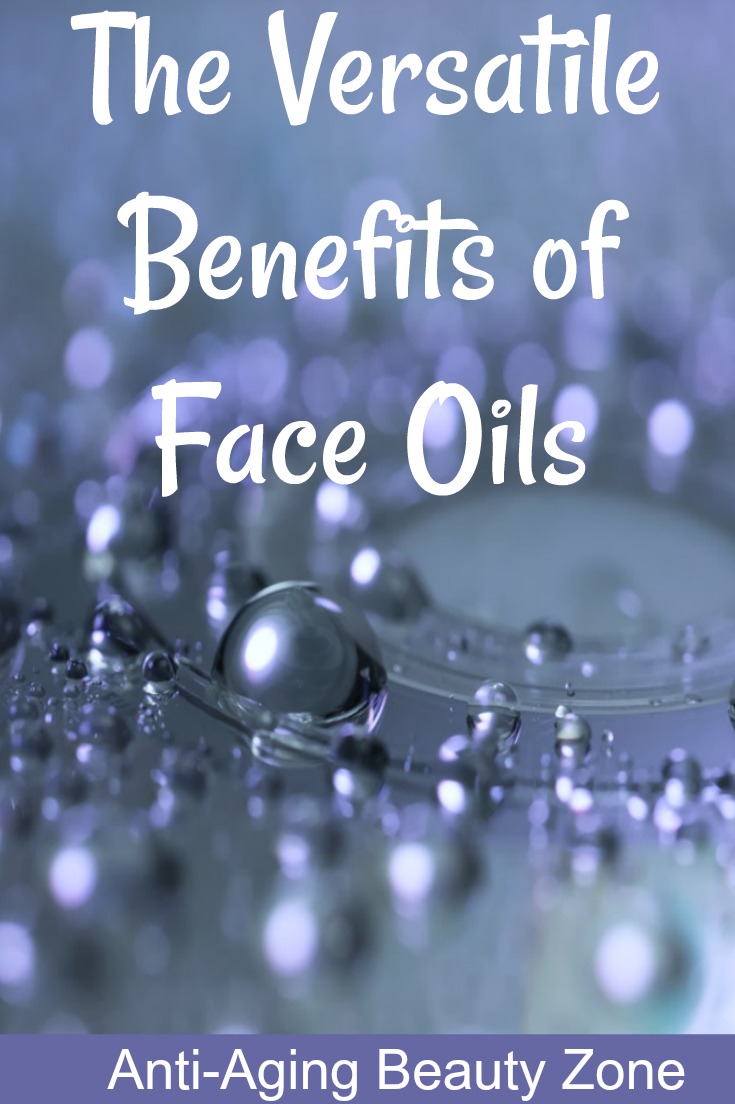
The 30-second way to use face oil (so it doesn’t look greasy)

If your face oil keeps sitting on top of your skin or leaves you looking shiny instead of hydrated, don’t give up on it just yet.
Here’s the simple method that made the biggest difference for me:
- Start with skin that’s still slightly damp after cleansing—not dripping wet.
- Place 2–3 drops in the palm of your hand.
- Gently rub your palms together to spread the oil.
- Press your palms over your entire face.
- If needed, add just one more drop.
The goal is to use just enough oil to lightly cover your whole face.
That’s it. Once I started using this small amount, my skin looked softer, plumper, more hydrated, and naturally glowing instead of coated with oil.
Common mistakes that leave face oil looking greasy
Face oil isn't the problem. Most of the time it's simply how you're using it. These are the mistakes that made the biggest difference for me.
- Applying it to dry skin: I get better results when my skin is still slightly damp after cleansing. The oil spreads more evenly and leaves my skin looking hydrated instead of just shiny.
- Using too much: More isn't better. For my whole face, 2–3 drops is usually enough. Adding extra just makes it sit on top of my skin.
- Rubbing it in instead of pressing: Pressing the oil into my skin gives me a smoother finish than rubbing it around.
- Layering it in the wrong order: If I’m using a moisturizer, I apply that first, then press 1–2 drops of face oil on top to help seal everything in. I still get the best results when my skin was slightly damp earlier in the routine.
Once I fixed those simple mistakes, everything changed.
Choose a face oil that's right for your skin
Once you're using face oil the right way, choosing the right one becomes just as important.
I've found that lightweight, plant-derived oils leave my skin feeling soft and hydrated without the heavy, greasy finish I used to get from richer oils.
Here are a few reasons I keep reaching for them:
- They can double as a cleanser or moisturizer.
- They help calm dry, flaky, or reactive skin.
- They're especially comforting after dermaplaning, gentle exfoliation, or when my skin feels dry from using retinol.
When I shop for a face oil, I look for one that's made specifically for facial skin and is cold-pressed, wildcrafted, or organic whenever possible. I also avoid oils with added fragrance or anything intended for cooking.
If you're planning to use a Kansa wand, choosing the right oil matters even more because it helps the tool glide smoothly without feeling too heavy or sticky. I share my favorite options in my guide to the best oils and serums for the Kansa wand.
If your skin is feeling dry or sensitive after exfoliating, my guide to gentle exfoliation over 40 explains how I like to combine exfoliation and face oils without overdoing it.
What to look for in a good face oil
The best face oils shouldn't leave your skin feeling heavy or greasy. Instead, they should absorb well, leave your skin feeling soft, and add a healthy-looking glow.
If you're still wondering whether you should use a moisturizer, a face oil, or both, here's how I decide when to use each.
When I'm shopping for a face oil, these are the first things I look for:
- Lightweight and fast-absorbing
- Made specifically for facial skin
- Non-comedogenic, so it's less likely to clog pores
- High-quality plant oils without unnecessary added fragrance
If you think your face oil may simply be too heavy for your skin, start with my guide to Best Face Oils for Glowing Skin.
If you're interested in using essential oils like frankincense or rosehip, be sure to dilute them properly first. I explain how in my guide to Essential Oils for Wrinkles.
Final thoughts
If you've been hesitant to try face oils, start with just a few drops at night and see how your skin responds. It may take a little trial and error to find the one that's right for you, but once you do, it can become one of the simplest steps in your skincare routine.
Face oils won't replace every skincare product, but they can help hydrate, soften, and support your skin as part of a balanced routine that includes gentle cleansing, exfoliation, moisturizer, and daily sun protection.
I'd love to hear if you've found a favorite face oil—or if changing how you applied it made a difference for you.
You might like these
LifeCell Ingredients: What’s Inside the Cream
See the main LifeCell ingredients, what they may do for your skin, and which well-known actives appear in surprisingly small amounts.
Blackhead Treatment for Older Skin: What Works After 50
Blackheads on mature skin need a gentler approach. Learn why they still happen later in life and how to clear pores without over-drying or irritation.
How to Reduce Forehead Wrinkles Naturally (No Botox)
Looking for natural ways to soften forehead wrinkles without Botox? Discover massage, skincare, and at-home tricks to smooth lines and support healthy skin.



Have a question or want to share your experience?

I'd love to hear from you! Visit my Questions & Comments page to ask a question, share a tip, or tell me what's worked for you.
You might like these
LifeCell Ingredients: What’s Inside the Cream
See the main LifeCell ingredients, what they may do for your skin, and which well-known actives appear in surprisingly small amounts.
Blackhead Treatment for Older Skin: What Works After 50
Blackheads on mature skin need a gentler approach. Learn why they still happen later in life and how to clear pores without over-drying or irritation.
How to Reduce Forehead Wrinkles Naturally (No Botox)
Looking for natural ways to soften forehead wrinkles without Botox? Discover massage, skincare, and at-home tricks to smooth lines and support healthy skin.
Stay Connected with Me
Want to see what I’m up to? I’ll keep you posted on new products I’m trying, little tricks I’ve discovered, new finds, and a few personal updates too.

About the Author:
Linda Robison is a Certified Facial Fitness Specialist and founder of Anti-Aging Beauty Zone, where she shares practical tips, products, techniques, and at-home options for women over 40. She personally tests many of the methods she writes about.
Experience: Linda spent nearly 15 years as an Anti-Aging Health Advisor at the Life Extension Foundation and has over 30 years of experience testing facial anti-aging techniques, including training in Carolyn’s Facial Fitness. Her work has been featured in GB News and Beauty Box Magazine. You can view her background on LinkedIn and follow her on Pinterest.
Found this helpful? Tap the ♡ in the bottom right corner.
FOLLOW OR SAVE

Stay Connected with Me
Want to see what I’m up to? I’ll keep you posted on new products I’m trying, little tricks I’ve discovered, new finds, and a few personal updates too.
Affiliate disclosure: As an Amazon Associate and affiliate for other brands, I may earn a commission from qualifying purchases, at no extra cost to you. [Read Disclosure.] A quick note: I create the content on this site and sometimes use AI tools for writing and images. I review everything for accuracy, and my before-and-after photos are my own.

Anti-Aging Beauty Zone (ABZ): Small Changes, Big Results!
ALL CONTENT COPYRIGHT© 2013-
ALL RIGHTS RESERVED REGARDLESS OF LINKS OR ATTRIBUTIONS
ALL CONTENT COPYRIGHT© 2013-
ALL RIGHTS RESERVED
REGARDLESS OF LINKS OR ATTRIBUTIONS