- Home
- Skincare Guide
- Exfoliation Over 40
Benefits of Gentle Exfoliation for Skin Over 40: The Ultimate Guide

Why exfoliation matters more after 40 - without going overboard.
Exfoliation plays a quiet but important role in how skin looks over time — and that role becomes more noticeable after 40. As cell turnover slows, gently removing surface buildup helps skin look brighter, smoother, and better able to absorb the products you use afterward.
I’ll admit it — exfoliation is one of my favorite parts of skincare. I love how fresh my face looks afterward, almost glassy, like the light catches differently.
This guide looks at how exfoliation works after 40, the benefits of keeping it gentle, and the different options available — so you can decide what fits naturally into your routine.
What is Gentle Exfoliation
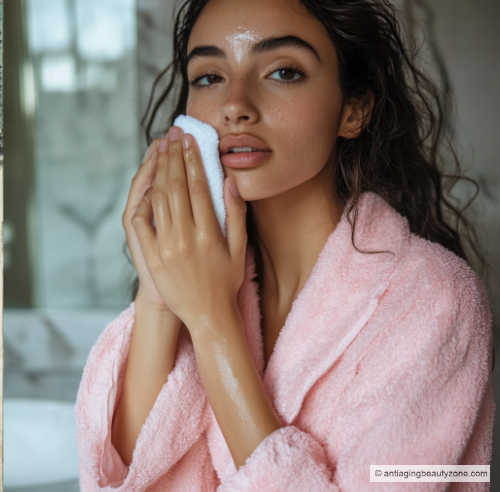
Gentle exfoliation means removing dead skin cells in a mild, non-irritating way. Instead of harsh scrubs, it uses soft tools, fine sugars, or low-strength acids to smooth skin and boost glow — without redness or damage.
Gentle exfoliation isn't one specific treatment. It can be as simple as using a soft washcloth, a gentle scrub, a mild exfoliating acid, or even dermaplaning — the key is choosing the right method for your skin and not overdoing it.
What Happens to Skin Over 40?
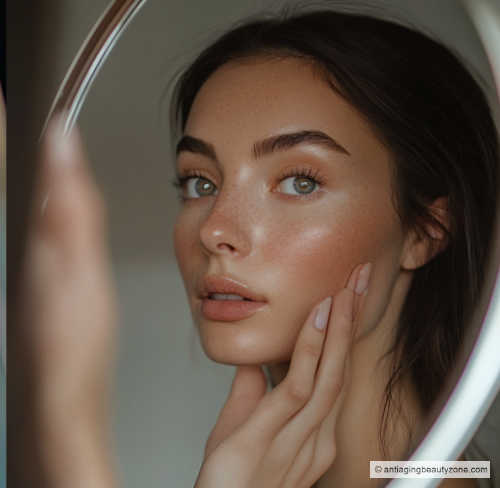
After 40, skin renewal slows. Dead cells build up, causing dryness, sensitivity, and dullness — all signs that make skin look older. Gentle exfoliation clears away those layers so your complexion looks fresher and more radiant.
I love how much smoother and brighter my own skin looks after exfoliating — it’s one of the fastest ways I see results.
Types of exfoliations: Physical vs Chemical
Exfoliation removes dull, dead skin cells — and there are two main ways to do it: physical exfoliation (tools or scrubs) and chemical exfoliation (acids or enzymes). Both can be gentle if you choose the right method.
If you enjoy making your own skincare, homemade scrubs can be a nice option too — but the most important step is choosing the right type of exfoliation for your skin first.
Physical Exfoliants

This type of gentle exfoliation uses tools or scrubs to manually lift away dead skin. The focus is light pressure, not aggressive scrubbing.
Tools include:
- Washcloths — one of the gentlest daily methods.
- Facial brushes — silicone bristles exfoliate, unclog pores, and boost circulation.
- Polishes — blends of fine particles and mild acids that buff and dissolve buildup.
- Dermaplaning — a sterile blade removes dead skin and peach fuzz. If you're thinking about trying it yourself, see my guide to at-home dermaplaning first. I also cover the pros and cons of dermaplaning so you know what to expect before getting started.
Scrubs (also a type of physical exfoliation) include:
- Gentle sugar scrub for face — beginner-friendly, easy to make.
- Turmeric face scrub recipes — brightening blends with anti-inflammatory benefits.
- Korean face scrub at home — inspired by enzyme and rice-based traditions.
- Benefits of coffee for skin — what caffeine can do for circulation, firmness, and glow.
If you enjoy making your own skincare, you can browse more of my DIY skincare recipes for simple scrub and mask ideas.
Chemical Exfoliants
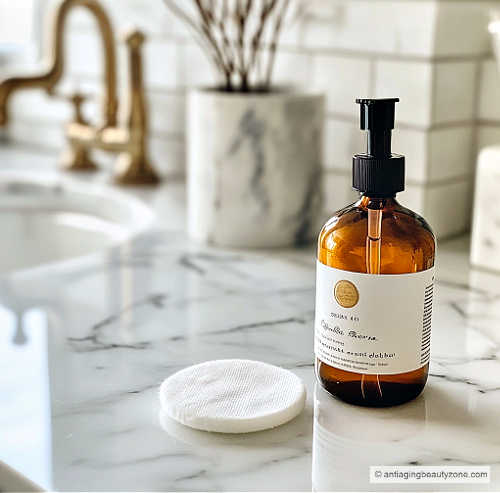
Chemical exfoliants use acids or enzymes to dissolve dead cells. They include:
- AHAs (like glycolic & lactic acid) — smooth, hydrate, and brighten.
- BHAs (salicylic acid) — oil-soluble, unclogs pores, calms acne-prone skin.
- Enzymes (papaya, pineapple) — mildest option, great for sensitive skin.
If all those names sound confusing, don’t worry. You don’t need to use every type. Finding one gentle exfoliant that works well for your skin is usually enough.
Choosing the right one for your skin
Picking the right exfoliant is the key to seeing results without irritation. Here’s a quick guide:
- Dry or sensitive skin — start with lactic acid (my personal go-to). It smooths gently while adding moisture. Fine-textured sugar scrubs with brown or coconut sugar can also work.
- Combination or normal skin — alternate lactic and glycolic acids, or use a blend. This balances dryness, dullness, and fine lines. (I use this mix myself and notice a big boost in glow.)
- Oily or acne-prone skin — try salicylic acid (BHA). It clears pores, calms breakouts, and tackles fine lines at the same time. If your main struggle is visible pores or blackheads, see how to minimize pores with simple at-home steps
Not sure where to start?
Go mild: A lactic acid toner, a soft washcloth, or a silicone facial brush. You’ll get a glow boost without the risk of overdoing it.
ABZ Tip: Save stronger exfoliants (like scrubs or acids) for once or twice a week. Gentle daily tools are often enough to keep skin smooth.
How often should you exfoliate after 40?
There’s no one right exfoliation schedule for everyone.
If you’re just getting started, once a week is usually enough to see how your skin responds. From there, you can adjust based on your skin type and the kind of exfoliant you’re using.
I've found my skin does much better with gentle, regular exfoliation than trying to do too much all at once.
As a general guide:
- Dry or sensitive skin: About once a week.
- Normal or combination skin: One to three times a week, depending on the product.
- Oily skin: May tolerate gentle exfoliation more often.
More isn’t always better. Using a scrub, exfoliating acids, and dermaplaning too close together can leave your skin irritated instead of smoother. When that happens, I stop exfoliating and focus on moisture until my skin feels normal again.
After a stronger treatment, my guide to [slugging after a chemical peel] explains when adding a thin protective layer of an occlusive like Vaseline may help and when it may be better to skip it.
That’s why I rotate my exfoliation. One week I’ll use a gentle scrub, the next a lactic acid peel, and another time I’ll dermaplane. My skin seems much happier that way.
I think of exfoliation as regular maintenance, not something you need to do aggressively.
Benefits of exfoliation
Gentle exfoliation offers several benefits, especially after 40. Here’s what you can expect:
- Brighter complexion
- Reduction of fine lines
- Smoother texture
- Better absorption and penetration of anti-aging serums and moisturizers
- Clearer pores
- Even tone and reduction in sun spots and hyperpigmentation
If you want more than a scrub or mild acid can do, you may be wondering about deeper exfoliation methods like dermaplaning or microdermabrasion. They work differently, so it helps to understand what each one is best for before deciding.
Should you consider deeper exfoliation methods?
Sometimes a scrub or mild acid is enough. Other times, you may want something that exfoliates a little more deeply.
Microdermabrasion can help smooth rough texture and make dark spots look less noticeable, while dermaplaning removes surface buildup and peach fuzz.
They’re not the same treatment, so it helps to compare them before deciding which one fits your skin best.
Here are a few guides to help you compare the different treatments and decide which one makes the most sense for your skin:
The Basics of Microdermabrasion
Microdermabrasion vs Dermaplaning
Microdermabrasion vs Hydrafacial
Best Microdermabrasion Products and Kits
Wondering about actives afterward? See my guide to using vitamin C after dermaplaning.
Side effects
Even gentle exfoliation can irritate your skin if you do too much or use something that’s too strong.
Some signs to watch for are:
- Dryness or tightness
- Redness or stinging
- Flaking
- Skin that suddenly feels more sensitive
- Products that never bothered you before suddenly burning or stinging
If that happens, I’d stop exfoliating for a few days and keep things simple with a gentle cleanser, moisturizer, and sunscreen.
Once your skin feels normal again, start back slowly. I’ve learned that pushing through irritation usually makes things worse, not better.
Should you slug after exfoliating?
If your skin feels dry, tight, or a little irritated after exfoliating, slugging may help lock in moisture while your skin barrier recovers. It isn't something I do after every exfoliation, but after stronger treatments like chemical peels, it can make a noticeable difference.
If you're wondering when it's appropriate, these guides can help:
- Slugging After a Chemical Peel
- Slugging for Rosacea (if your skin is especially sensitive)
Takeaway: Make gentle exfoliation a part of your routine
Gentle exfoliation can make a real difference after 40. It helps skin look brighter, smoother, and more refreshed — without having to overdo it.
I’ve seen the difference myself, and it’s one step I don’t like to skip. Just remember: consistency matters more than intensity. Use what your skin tolerates, don’t overdo it, and always follow with sunscreen.
Gentle exfoliation works best when it fits into a complete anti-aging skincare routine with the right cleanser, moisturizer, and daily sun protection.
Done consistently, it's one of the simplest ways I've found to help mature skin look smoother, brighter, and healthier over time.
You might like these
Blackhead Treatment for Older Skin: What Works After 50
Blackheads on mature skin need a gentler approach. Learn why they still happen later in life and how to clear pores without over-drying or irritation.
Minimize Pores: At-Home Tips to Clean Pores and Make Them Look Smaller
Want to minimize pores? There are a lot simple home remedies and makeup tips to create a smoother healthier complexion.
How to Fade Sun Spots on Your Face: At-Home Tips
Learn how to fade sun spots on your face with vitamin C, gentle exfoliation, sunscreen, and simple at-home tips based on real experience.


Have a question or want to share your experience?

I'd love to hear from you! Visit my Questions & Comments page to ask a question, share a tip, or tell me what's worked for you.
You might like these
Minimize Pores: At-Home Tips to Clean Pores and Make Them Look Smaller
Want to minimize pores? There are a lot simple home remedies and makeup tips to create a smoother healthier complexion.
Can You Do Microdermabrasion At Home? What To Expect & Tips
Can you do microdermabrasion at home? Learn what to expect, how to use at-home devices safely, and whether results are worth it over time.
What is Microdermabrasion: Benefits, Risks, and Treatments
What is microdermabrasion? How it works, benefits, costs, and at-home options for radiant, youthful skin. Learn more today

Stay Connected with Me
Want to see what I’m up to? I’ll keep you posted on new products I’m trying, little tricks I’ve discovered, new finds, and a few personal updates too.

About the Author:
Linda Robison is a Certified Facial Fitness Specialist and founder of Anti-Aging Beauty Zone, where she shares practical tips, products, techniques, and at-home options for women over 40. She personally tests many of the methods she writes about.
Experience: Linda spent nearly 15 years as an Anti-Aging Health Advisor at the Life Extension Foundation and has over 30 years of experience testing facial anti-aging techniques, including training in Carolyn’s Facial Fitness. Her work has been featured in GB News and Beauty Box Magazine. You can view her background on LinkedIn and follow her on Pinterest.
Found this helpful? Tap the ♡ in the bottom right corner.
FOLLOW OR SAVE

Stay Connected with Me
Want to see what I’m up to? I’ll keep you posted on new products I’m trying, little tricks I’ve discovered, new finds, and a few personal updates too.
Affiliate disclosure: As an Amazon Associate and affiliate for other brands, I may earn a commission from qualifying purchases, at no extra cost to you. [Read Disclosure.] A quick note: I create the content on this site and sometimes use AI tools for writing and images. I review everything for accuracy, and my before-and-after photos are my own.
Anti-Aging Beauty Zone (ABZ): Small Changes, Big Results!
ALL CONTENT COPYRIGHT© 2013-
ALL RIGHTS RESERVED REGARDLESS OF LINKS OR ATTRIBUTIONS
ALL CONTENT COPYRIGHT© 2013-
ALL RIGHTS RESERVED
REGARDLESS OF LINKS OR ATTRIBUTIONS