Does Botox Help with Eye Bags

✅ Quick answer
Botox usually does not help true under-eye bags. The one type of under-eye “puffiness” it may sometimes soften is a jelly roll—a small ridge of muscle that appears mainly when you smile or squint.
If the bulge is still there when your face is relaxed, Botox probably will not fix it.
Is the puffiness there at rest or only when you smile?
Not every under-eye bulge is a true eye bag. Take this simple test:
- Look straight ahead with your face relaxed.
- Smile naturally.
- Notice what appears only when you smile and what stays there at rest.
If the puffiness is still there when your face is relaxed, Botox probably will not help. If a small ridge appears mainly when you smile or squint, it may be a jelly roll—the one type of under-eye puffiness Botox may sometimes soften.
Still unsure what kind of puffiness you have? Start with my guide on how to reduce puffy eyes.
A quick note about under-eye terms:
Eye bags, puffiness, jelly rolls, hollows, and malar swelling can sometimes look similar. Different providers may also use these words a little differently. The goal here is to help you notice where the fullness sits and whether it changes when you smile—not diagnose it yourself.
Puffiness that stays when your face is relaxed
If a pouch or bulge is still visible when your face is relaxed, it is probably not caused by muscle movement. It may be related to an under-eye fat pad, fluid, skin changes, a hollow beside the bag, or fullness lower over the cheekbone.
Botox cannot remove fat, drain fluid, or restore lost volume, so it usually is not the right treatment for this type of under-eye fullness.
A ridge that appears mainly when you smile
If a small ridge appears close to the lower lashes mainly when you smile or squint, it may be what injectors call a jelly roll.
This is different from a true under-eye bag because it comes from muscle movement. For under-eye fullness, this is the main situation Botox may sometimes help—but treatment directly beneath the eye is delicate, off-label, and not right for every face.
Next, I’ll show you why a jelly roll is so often confused with an eye bag.
Why a jelly roll is often mistaken for an eye bag
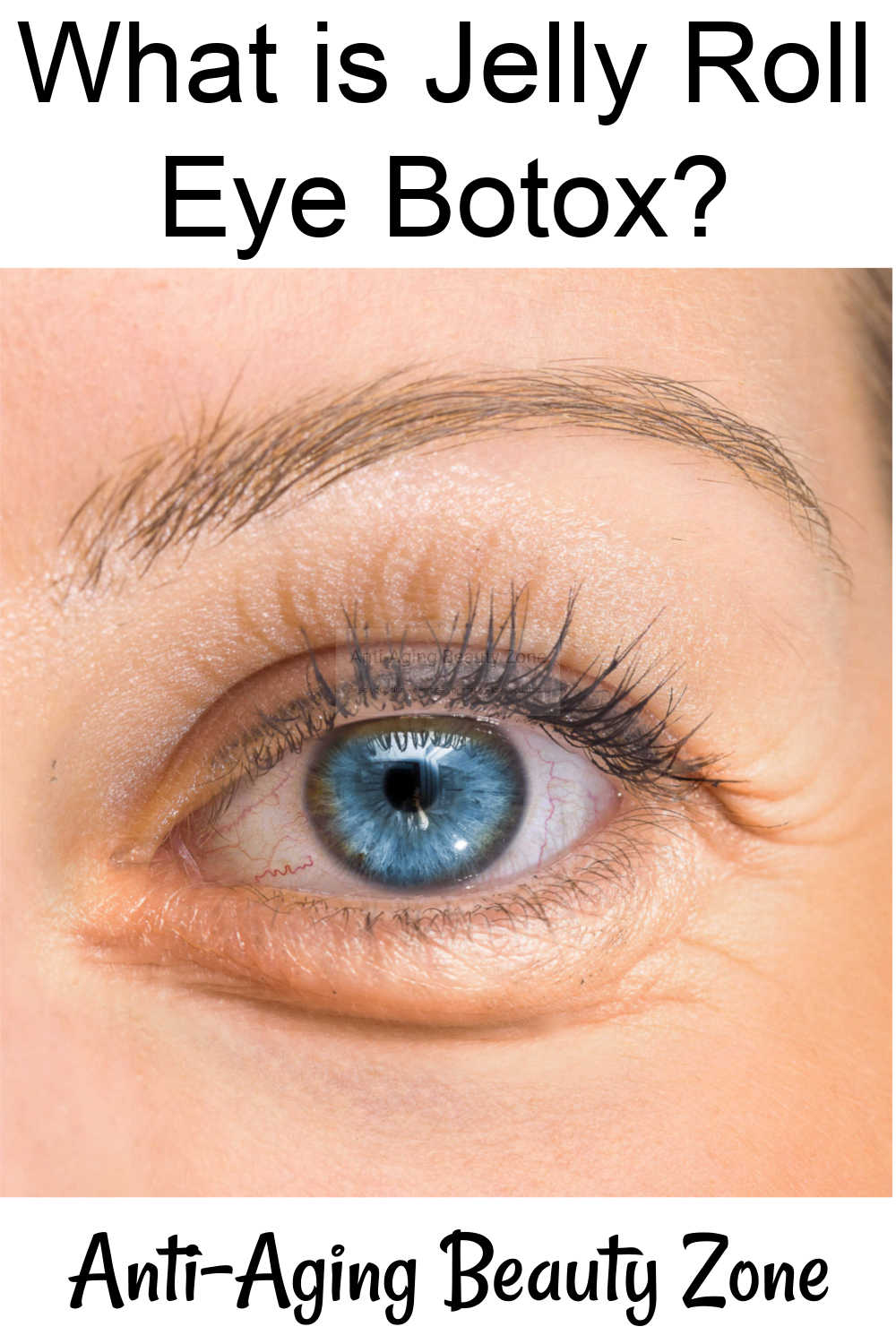
A jelly roll is a small ridge of muscle that becomes more noticeable beneath the lower lashes when you smile or squint. It may look like puffiness in a photo, but it is not the same as a fat-pad bag that stays visible when your face is relaxed.
That difference helps explain why some websites say Botox can help “eye bags.” Botox does not remove a true bag, but it may soften a muscle ridge in carefully selected people.
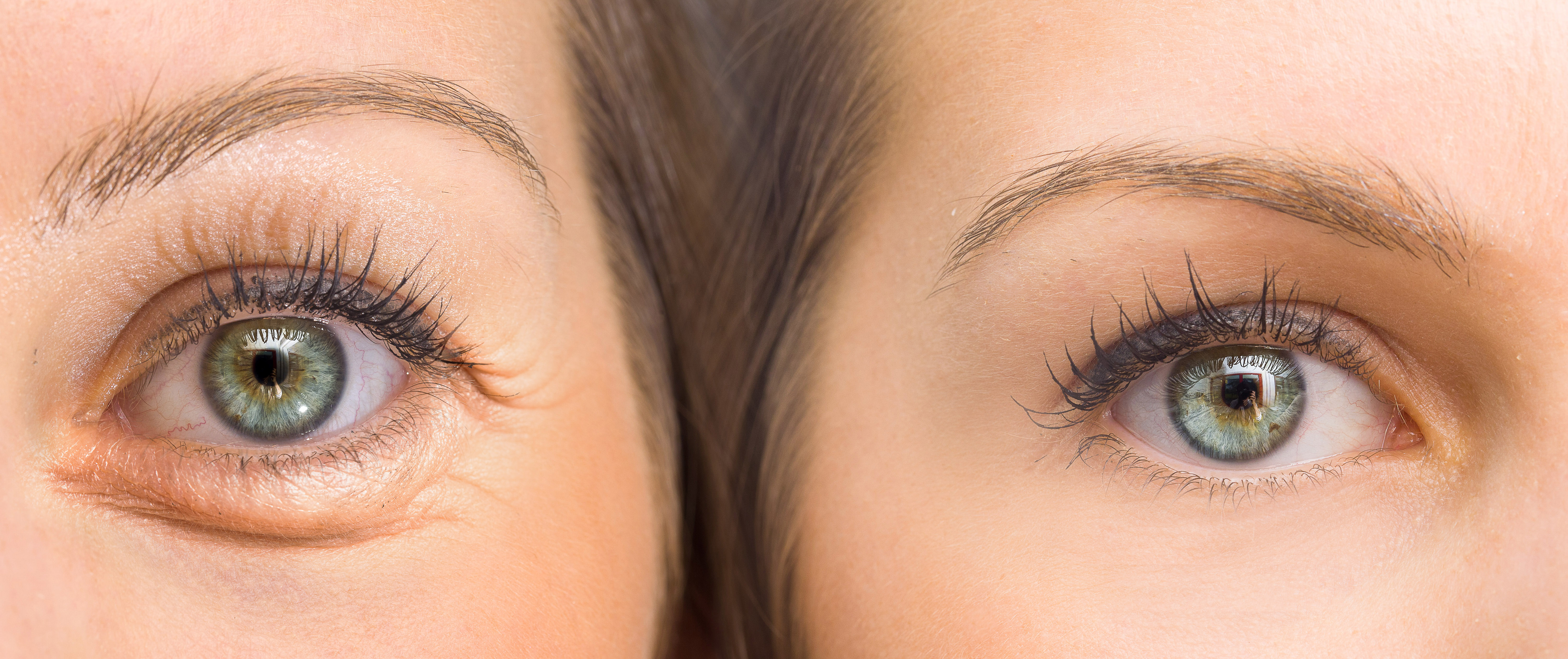 A jelly roll is a muscle ridge that becomes more noticeable when smiling. It is different from a true under-eye bag that remains visible at rest.
This is only an observation—not a way to diagnose yourself.
Is Botox under the eyes a good idea?
Because Botox relaxes muscle movement, treating a jelly roll may sound like a simple solution. But the lower eyelid is a delicate area, and not every provider agrees that relaxing this muscle improves the overall look of the eye.
I asked Dr. Sahra Hart, a cosmetic doctor and international trainer, about her experience treating jelly rolls.
“Jelly roll is a ridge of overactive orbit oculi muscle. Seen more often in Asian patients. I used to inject this years ago but stopped as it can cause bagging of the lower eyelid which is an aging change. I don't ever use Botox under the eye now,” she says.
She also explained why true eye bags are different:
“Eye bags are protrusion of the retro orbital fat as the orbital septum weakens and fluid can also contribute. Filler can sometimes disguise this protrusion, but must be used with great caution close to the eye as it can migrate and cause puffiness and Tyndall effect.”
Can Botox make your eyes look puffier?
Botox beneath the lower eyelid can sometimes make the area look looser, baggier, or puffier. That does not happen to everyone, but it is one reason some experienced providers avoid treating this area.
Dr. Hart stated that she stopped injecting jelly rolls because the treatment can cause bagging of the lower eyelid—an aging change she does not want to create.
This is one physician’s opinion and clinical experience. Some providers do treat jelly rolls, but Botox under the lower eyelid is an off-label treatment and may not be right for every face.
An experienced provider can look at the whole under-eye area and help you decide what is best for your situation.
When Botox probably won’t help
If the puffiness is still there when your face is relaxed, it is probably not a jelly roll.
It may be a true under-eye bag, fluid buildup, a hollow that makes the bag stand out more, or fullness that sits lower on the cheekbone. These can all look similar, especially as the face changes with age.
Botox will not remove fat, drain fluid, or fill a hollow. But if part of what makes the bag stand out is a hollow or shadow beside it, filler may sometimes be considered instead.
Could filler help bags look less noticeable?
Sometimes what looks like a larger eye bag is partly a hollow or shadow beside it. In carefully selected people, filler may soften that hollow and make a small bag look less noticeable—but it does not remove the bag itself.
Filler can also make puffiness look worse if the area already holds fluid or has prominent fat pads. Check out this page: under-eye filler for bags and puffiness which explains who may benefit and who should be cautious.
Because Botox and filler are sometimes used in the same treatment plan, you can also read about getting Botox and fillers at the same time.
If the fullness sits lower over the cheekbone rather than directly beneath the eye, my guide can help you tell whether it may be fluid or malar bags.
What can Botox actually help around the eyes
Botox is better suited to expression lines caused by muscle movement, especially crow’s feet at the outer corners of the eyes.
It may also be used in carefully selected cases for a jelly-roll muscle ridge under the lower lashes. But that is different from treating a true under-eye bag, and injections directly beneath the eye are considered off-label.
This is why the provider’s experience matters. The goal should be to soften movement without making the lower eyelid look weaker, looser, or puffier.
For a broader look at where Botox may help—and where it may not—see my guide to Botox benefits and mistakes to avoid.
Surgery for true under-eye bags
For larger fat-pad bags, lower blepharoplasty is the treatment that addresses the fat directly. The surgeon may remove or reposition some of the fat, depending on the eye area and the rest of the face.
I had a transconjunctival blepharoplasty, which is done through the inside of the lower eyelid. In my case, my doctor left some fat behind because removing too much could have created a hollow look.
If you are considering surgery, look for an experienced oculoplastic or ophthalmic plastic surgeon who works regularly with the lower eyelid.
Can anything help without surgery?
Facial exercises will not remove a true under-eye fat bag. But gentle exercises may help the area around the eyes look a little firmer or more awake.
I see them as support—not a replacement for surgery or professional treatment.
If you are comparing at-home options with injections, my facial exercises vs Botox guide explains the pros and limits of each.
You can also see my eye exercise samples and other eye wrinkle treatments here.
Over-the-counter under-eye treatments
There are a few non-surgical options that may help the eye area look smoother, tighter, or less puffy for a short time. They will not remove a true under-eye fat bag.
Cooling rollers and gentle massage tools may help when some of the puffiness is temporary fluid. You can also see how I use gua sha or a kansa wand for facial massage.
Eye lift serums
Instant eye-tightening serums can temporarily smooth and firm the skin, but the wrong one can feel dry, tight, or irritating—especially under the eyes.
I’ve tested many of these products over the years. You can see my review of the under-eye serums I’ve tried. I show you which ones helped and which ones felt too drying or uncomfortable.
Why I still use an eye lift serum after blepharoplasty
I still use an eye lift serum, especially on days when I’m tired or puffy. Even after blepharoplasty, because I still get slight puffiness, mostly in my right eye.
My doctor left a small amount of fat in my right under-eye area because removing too much could have caused a hollow or sunken look. So, for me, a temporary tightening serum is still useful—not as a cure, but as a quick cosmetic helper.
Takeaway: Does Botox help with eye bags
Whether Botox helps with eye bags depends on what’s actually causing the puffiness. If you're unsure what type of puffiness you're dealing with, my guide on malar bags vs festoons explains the differences.
Botox usually does not help true eye bags, which are often caused by bulging fat pads, fluid buildup, or changes in the cheek area.
However, if your concern is fine lines or the muscle that bulges slightly when you smile, Botox may help soften those lines under the eye. Just be sure to consult with an experienced provider first.
FAQ's: Does Botox help with eye bags
Does Botox actually help with eye bags?
Does Botox actually help with eye bags?
Usually, Botox does not remove true under-eye bags caused by bulging fat pads or ongoing puffiness. It may help a small roll of muscle that appears beneath the lower eyelid when you smile, sometimes called a jelly roll. The cause of the bulge matters more than the word “bags.”
How can you tell true eye bags from puffiness, hollowness, or a jelly roll?
How can you tell true eye bags from puffiness, hollowness, or a jelly roll?
True eye bags usually remain visible when your face is relaxed. Fluid puffiness may change during the day, while hollowness creates a shadow or groove rather than a raised bag. A jelly roll becomes more noticeable when you smile or squint because it is related to muscle movement.
Can under-eye Botox make eye bags look worse?
Can under-eye Botox make eye bags look worse?
It can in some people. Relaxing the muscle beneath the eye may make loose skin, existing fat pads, or puffiness look more noticeable. This is one reason the lower-eyelid area should be assessed carefully by an experienced medical provider before treatment.
Does Botox work better for a bulge that appears when you smile?
Does Botox work better for a bulge that appears when you smile?
Possibly. Botox is most likely to help when the bulge is caused by muscle movement and appears mainly when you smile or squint. It is much less likely to improve a bag that stays visible when your face is resting.
What is the difference between Botox under the eye and Botox for crow’s feet?
What is the difference between Botox under the eye and Botox for crow’s feet?
Crow’s-feet Botox is placed near the outer corners of the eyes to soften lines caused by smiling and squinting. Botox beneath the lower eyelid targets a different and more delicate area. It is not the same treatment and may not be suitable for everyone.
What should you ask before getting Botox under the eyes?
What should you ask before getting Botox under the eyes?
Ask what is actually causing the bulge, whether it is present at rest or only when you smile, and whether Botox could make looseness or puffiness more noticeable. Also ask how often the provider treats the lower-eyelid area and what side effects you should watch for. Botox Cosmetic labeling notes that injections near the eye muscle have been associated with problems such as dry eye, so new or worsening eye symptoms should be reported promptly.
You might like these
Eyeliner Makeup for Women Over 40: Colors & Tricks to Make Eyes Pop
Eyeliner makeup for older women: learn which colors flatter mature eyes, how to avoid harsh lines, and the best ways to define without aging your look.
How to Reduce Puffy Eyes: Causes, Remedies & Treatments
Discover causes of puffy eyes and the best fixes—natural remedies, quick tricks, serums, and medical treatments—in one guide.
Easy Eye Solutions - No Puffy Eyes - Free Shipping - SALE!
Easy Eye Serum for wrinkles, puffiness & crepey - FREE SHIPPING. See my before and after pictures.



Have a question or want to share your experience?

I'd love to hear from you! Visit my Questions & Comments page to ask a question, share a tip, or tell me what's worked for you.
Stay Connected with Me
Want to see what I’m up to? I’ll keep you posted on new products I’m trying, little tricks I’ve discovered, new finds, and a few personal updates too.

About the Author:
Linda Robison is a Certified Facial Fitness Specialist and founder of Anti-Aging Beauty Zone, where she shares practical tips, products, techniques, and at-home options for women over 40. She personally tests many of the methods she writes about.
Experience: Linda spent nearly 15 years as an Anti-Aging Health Advisor at the Life Extension Foundation and has over 30 years of experience testing facial anti-aging techniques, including training in Carolyn’s Facial Fitness. Her work has been featured in GB News and Beauty Box Magazine. You can view her background on LinkedIn and follow her on Pinterest.
Found this helpful? Tap the ♡ in the bottom right corner.
FOLLOW OR SAVE

Stay Connected with Me
Want to see what I’m up to? I’ll keep you posted on new products I’m trying, little tricks I’ve discovered, new finds, and a few personal updates too.
Affiliate disclosure: As an Amazon Associate and affiliate for other brands, I may earn a commission from qualifying purchases, at no extra cost to you. [Read Disclosure.] A quick note: I create the content on this site and sometimes use AI tools for writing and images. I review everything for accuracy, and my before-and-after photos are my own.
Anti-Aging Beauty Zone (ABZ): Small Changes, Big Results!
ALL CONTENT COPYRIGHT© 2013-
ALL RIGHTS RESERVED REGARDLESS OF LINKS OR ATTRIBUTIONS
ALL CONTENT COPYRIGHT© 2013-
ALL RIGHTS RESERVED
REGARDLESS OF LINKS OR ATTRIBUTIONS