Why Isn't My Botox Lasting?

Frustrated because your Botox faded faster than expected? You’re not alone. Sometimes Botox wears off quickly because of the dose, the area treated, your muscle strength, your first-time response, or even how your body processes it.

Before you assume it “didn’t work,” it helps to understand what’s normal, what might have gone wrong, and what you can ask your injector next time.
If you’re still sorting out whether Botox is worth it overall, my Botox benefits and mistakes to avoid page gives you the bigger picture before you dig into what may have gone wrong.
Before you panic, ask your injector these 4 questions
If your Botox faded faster than expected, it doesn’t automatically mean you did anything wrong — or that Botox “doesn’t work” for you.
Before booking another appointment, ask your provider:
- How many units were used in the area?
- Was the placement right for my muscle movement?
- Should I wait the full 2 weeks before judging the result?
- Are these lines caused by movement, or are they deeper static wrinkles in the skin?
Those answers can help you figure out whether the issue is dose, placement, timing, muscle strength, or skin texture — and each one has a different next step.
Why isn't my Botox lasting: And how long should it last
Generally speaking, the duration of botulinum toxins range between 3–6 months. But results can vary from person to person, and some may experience shorter effects, such as around two months.
Here are a few reasons why your results didn't last as long as you'd like:
1. First time injections: Expect shorter than normal duration
While each individual may have a unique experience, you can expect your first treatment to wear off faster, typically within 2-3 months. Why? Because it usually takes several injections to get the muscles to respond to botulinum toxin.
The good news; the more cosmetic injections you get, over time, the longer your results will last.
Meaning, the longer you suppress muscle contractions, the weaker the muscle and the better and longer your results will be.
My Experience: The first time I treated my frown lines, my results faded in about 2 months, even though I had the usual unit range for that area.
But by my third treatment, the results lasted closer to 4–6 months. I also didn’t need as much to get the same smoother look, which was nice for my wallet.
So if this is your first time and it wore off quickly, don’t panic. Sometimes results last longer after your muscles have been treated a few times.
2. Not enough units
Maybe you were under-injected. The frozen look is out, and many women want softer, more natural-looking results which is one reason baby Botox is so popular.
But natural-looking does not always mean the lowest dose. It usually means the right dose in the right places.
Some injectors use a very conservative dose to soften fine lines without freezing your expression. That can be a good thing, especially if you want subtle results. But if you have stronger facial muscles, that lighter dose may wear off faster or not soften the movement enough.
Talk to your injector and ask whether your dose was matched to your muscle strength, the area treated, and the look you wanted.
3. Muscle size and strength
Botox may wear off faster if the treated muscles are stronger or more active.
This is one reason men often need more units than women, but it can also happen in women with strong forehead, frown, or jaw muscles. ATP Injection Training
So, if your Botox faded quickly, it may not be your fault. Your injector may simply need to adjust the dose or placement based on how your muscles move.
4. Product strength or preparation may have played a role
Botulinum toxin type A comes in a powdered form and is mixed with sterile saline before it’s injected.
If the product is over-diluted, stored incorrectly, or not prepared properly, the result may not last as long as expected.
This is not something you can judge on your own just by looking in the mirror. But if your results seemed unusually weak or faded very quickly, it’s fair to ask your injector about the product used, how it was prepared, and whether the dose was right for the area treated.
5. Static wrinkles too deep
The aging process and environmental damage can turn dynamic wrinkles (fine lines) into static wrinkles (deep lines etched into the skin).
This is important to understand because Botox relaxes muscle movement — but it doesn’t completely erase deeper lines that are already “set” into mature skin.
That’s why some women feel disappointed even when the Botox technically worked. The movement softens, but the skin itself may still need support from hydration, collagen-friendly skincare, texture treatments, fillers, or overall skin-firming routines.
In some cases, the combination of wrinkle-smoothing injections and dermal fillers can give a softer, more refreshed result.
The hyaluronic acid in dermal fillers (like Juvederm) helps plump the depressed wrinkle, while Botox helps reduce the repeated muscle movement that caused the line in the first place.
This is where mature skin matters. Botox can relax movement, but deeper lines may still need support from hydration, texture care, volume support, or firming routines.
Before assuming you need more Botox, ask: Is this mostly muscle movement, or does the skin itself need more support?
That’s the smarter middle path — looking at what the mature face actually needs.
6. Smaller or active muscles
The duration of toxin injections can vary depending on the treatment area on the face.
Different parts of the face have varying muscle activity and characteristics, which can influence how long the effects of the injections last.
Here are some examples:
- Lips and Mouth: Areas of the face with small muscles and lots of movement may require more frequent treatments to maintain desired results.
- Forehead: The forehead muscles tend to be less active compared to other areas of the face. This reduced muscle activity can contribute to a slower breakdown of the botulinum toxin and prolong the duration of its effects.
7. Poor injection technique
Injector skill matters a lot with Botox.
If the placement, depth, dose, or muscle pattern is not quite right, your results may look weaker, uneven, or wear off faster than expected.
That doesn’t mean you should blame yourself. It just means Botox results depend heavily on choosing an experienced provider who understands facial movement, not just where lines show up.
8. Botox resistance
True resistance to Botox is uncommon, but it can happen. Some people may not respond well to certain botulinum toxin products, or the results may fade faster than expected.
Metabolism, immune response, treatment history, dose, and product type may all play a role.
If this seems to be happening to you, don’t try to solve it by guessing. Talk to your provider. They may review your dose, timing, injection pattern, or whether another option, such as Dysport or Xeomin, makes more sense.
Why Botox wears off
Botox works by temporarily relaxing the muscle activity that creates expression lines.
It does this by blocking the nerve signal that tells the muscle to contract. But the effect is not permanent. Over time, your body forms new nerve signals, the muscle starts moving again, and the smoothing effect slowly fades.
That’s why Botox has to be maintained if you want to keep the same result.
For a deeper explanation, see my page on when Botox starts working.
Is it too soon to judge your Botox results?
Botox does not usually show its full effect right away, so timing matters before you decide it “didn’t work” or wore off too fast.
Here’s a simple way to think about it:
- First few days: You may start noticing some softening, but this is still early.
- Around 7–10 days: Results are usually more visible.
- At 2 weeks: This is a good time to judge your full result or ask about a touch-up.
- Around 2–3 months: Some movement may slowly return if you metabolize it quickly or had a lower dose.
- Around 3–4 months: Many people are ready for maintenance, depending on the area treated, dose, and muscle strength.
So if you’re only a few days in, give it time. But if you’re already seeing full movement after just a few weeks, that’s worth discussing with your injector.
When should you call your injector?
If your Botox seems to be fading early, timing matters.
If you’re only a few days in, it may simply be too soon to judge. If you’re around the 2-week mark and barely see a change, ask whether you need a review or small adjustment.
If your result looked good at first but faded after 2–3 months, that may be your normal wear-off pattern, especially if the dose was light or the muscle is strong.
But if you had almost no result, uneven movement, drooping, unusual swelling, or results that disappeared very quickly, call your provider instead of guessing.
What helps Botox last longer?
So what can you do if your Botox seems to wear off too fast?
First, don’t panic and don’t rush into another appointment too soon. If your results faded faster than expected, it helps to know how soon you can get Botox again without overdoing it.
A few things may help your results last longer, but everyone responds a little differently. Your best next step is to track how long your results lasted and talk with your injector before changing your dose, timing, or routine.
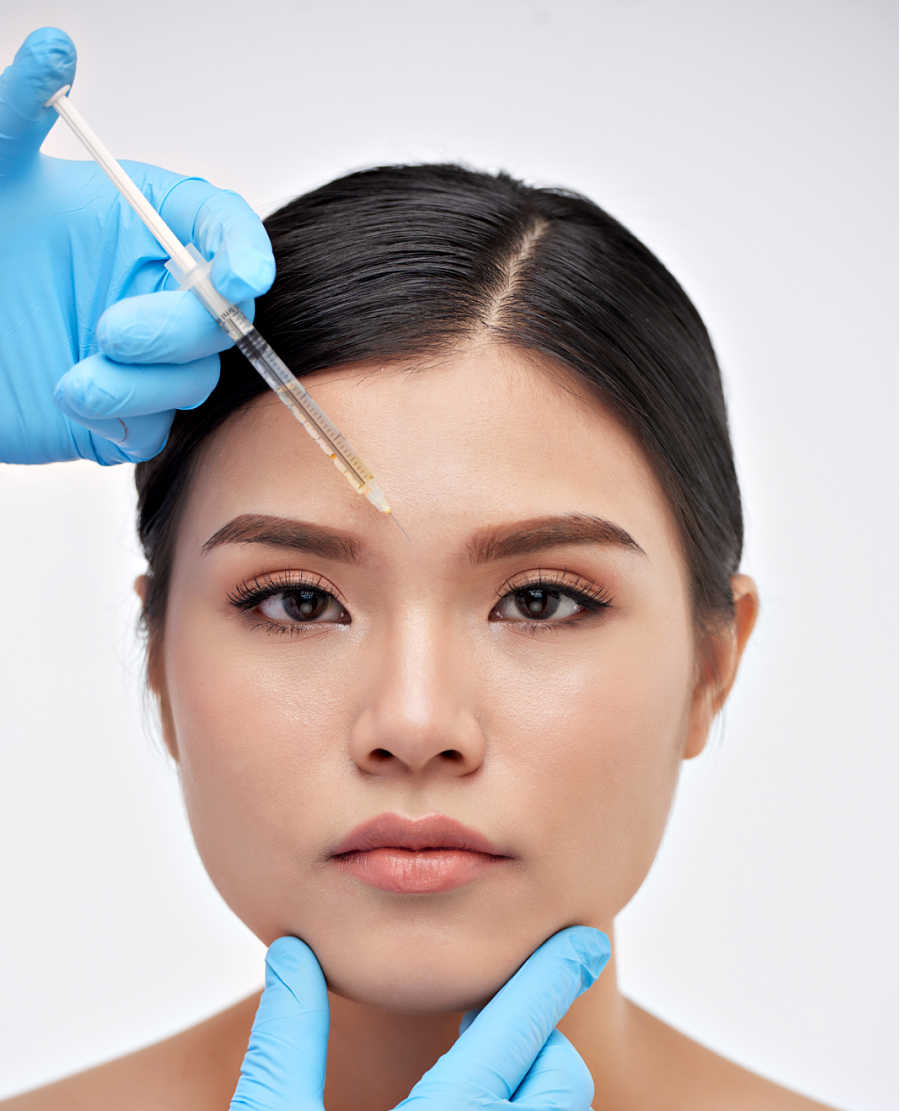
Keep Up With Regular Treatments
Many people notice their Botox lasts longer after they’ve been treating the same area consistently over time. That’s because repeatedly relaxing the muscle may help train it to soften over time.
If you wait until full muscle movement completely returns before every appointment, your results may not last as long between treatments.
Avoid Hard Exercise And Rubbing Right After Treatment
For the first day, most providers recommend avoiding anything that gets your blood pumping too much, like hard exercise, heavy sweating, or bending over for long periods.
The concern is that too much movement, heat, or rubbing too soon after injections may affect how the product settles.
Also avoid touching, rubbing, or massaging the treated areas unless your injector tells you otherwise. Be gentle when washing your face, applying skincare, or putting on makeup that day.
When in doubt, follow your provider’s aftercare instructions first.
Ask About Zinc Before Supplementing
Zinc is sometimes talked about as a way to help Botox last longer because botulinum toxin depends on zinc-related enzyme activity.
But this is one of those areas where I would not guess or start stacking supplements on your own.
Some studies suggest zinc may help improve Botox response in certain people, especially if zinc levels are low. For example, one study published in the Journal of Drugs in Dermatology (JDD) found improved Botox duration and satisfaction in some participants who supplemented with zinc before treatment.
But more research is still needed, and not everyone needs extra zinc.
Before taking zinc for Botox, check with your provider first — especially if you take medications, already use supplements, have a health condition, or are not sure what your zinc levels are.
Too much zinc can cause problems too, so this is not a “more is better” situation.
The safest move? Ask your injector or physician whether zinc makes sense for you before your next appointment.
How to get the best results from Botox treatment
 Moving your eyebrow and forehead muscles up and down several times after injection can help it set in faster.
BUT DO NOT TOUCH YOUR INJECTION SITES!
Moving your eyebrow and forehead muscles up and down several times after injection can help it set in faster.
BUT DO NOT TOUCH YOUR INJECTION SITES!So, what can you do to ensure you get the best results after your wrinkle smoothing injections?
Ask Before Trying Facial Movements After Botox
It usually takes about 7–10 days to see your full Botox result, although some people notice changes sooner.
Some research suggests that simple facial movements after treatment may help results show up a little faster in certain areas, like the forehead and frown lines.
But this does not mean rubbing, massaging, or pressing on the injection sites. We’re only talking about gentle facial movements — and only if your injector says it’s okay.
In one JAAD study, participants were asked to do facial contractions after treatment, including forehead raises and frowns, with breaks in between.
Since aftercare advice can vary, ask your injector before trying this. Your provider’s instructions should always come first.
Be Careful With Alcohol, Aspirin, And Certain Supplements
Some providers suggest avoiding alcohol, aspirin, NSAIDs, fish oil, vitamin E, or other supplements that may increase bruising before your appointment.
But don’t stop any medication your doctor told you to take unless your physician says it’s safe.
The best move is to ask your injector for their pre-treatment list and check with your doctor if you take medications or supplements regularly.
Follow Your Provider’s Aftercare Instructions
Your provider should give you a clear list of what to do — and what not to do — right after your injections.
This may include avoiding strenuous exercise, lying down, bending over, rubbing the area, drinking alcohol, or getting too much sun for the rest of the day.
Follow their instructions first, because every injector may have slightly different aftercare rules based on the area treated and the product used.
And if something feels off — like uneven movement, drooping, unusual swelling, or results that fade much faster than expected — call your provider instead of guessing.
You might like these
Facial Exercises vs Botox: Which Anti-Aging Option is Best?
Compare facial exercises and Botox for anti-aging. Discover the pros, cons, and benefits to help you choose the right wrinkle reduction method for you.
How to Look Less Tired: At-Home Tips for a Brighter, Youthful Look
How to look less tired with these at-home tips. From skincare routines to makeup tricks, try ways to brighten your skin, reduce puffiness, and look refreshed.
10 Botox Benefits + 4 Mistakes That Can Affect Your Results
Thinking about Botox? Learn 10 potential benefits and 4 mistakes that could impact your results—plus expert tips for smoother, more natural outcomes.



Stay Connected with Me
Want to see what I’m up to? I’ll keep you posted on new products I’m trying, little tricks I’ve discovered, new finds, and a few personal updates too.

About the Author:
Linda Robison is a Certified Facial Fitness Specialist and founder of Anti-Aging Beauty Zone, where she shares practical tips, products, techniques, and at-home options for women over 40. She personally tests many of the methods she writes about.
Experience: Linda spent nearly 15 years as an Anti-Aging Health Advisor at the Life Extension Foundation and has over 30 years of experience testing facial anti-aging techniques, including training in Carolyn’s Facial Fitness. Her work has been featured in GB News and Beauty Box Magazine. You can view her background on LinkedIn and follow her on Pinterest.
Found this helpful? Tap the ♡ in the bottom right corner.
FOLLOW OR SAVE

Stay Connected with Me
Want to see what I’m up to? I’ll keep you posted on new products I’m trying, little tricks I’ve discovered, new finds, and a few personal updates too.
Affiliate disclosure: As an Amazon Associate and affiliate for other brands, I may earn a commission from qualifying purchases, at no extra cost to you. [Read Disclosure.] A quick note: I create the content on this site and sometimes use AI tools for writing and images. I review everything for accuracy, and my before-and-after photos are my own.

Anti-Aging Beauty Zone (ABZ): Small Changes, Big Results!
ALL CONTENT COPYRIGHT© 2013-
ALL RIGHTS RESERVED REGARDLESS OF LINKS OR ATTRIBUTIONS
ALL CONTENT COPYRIGHT© 2013-
ALL RIGHTS RESERVED
REGARDLESS OF LINKS OR ATTRIBUTIONS