What is BB Cream:
Benefits & Tips for Older Skin

BB cream is one of those products that sounds like skincare… but wears like makeup (and that’s why it can be so useful on older skin).
It isn’t the same thing as foundation, and it’s not just “tinted moisturizer with a fancy name,” either.
BB cream is a lightweight, tinted, skin-smoothing product that can help your complexion look more even without the heaviness that sometimes shows up more on textured or drier skin.
This page breaks down what BB cream actually does, who it tends to look best on, and how I use a drugstore BB cream to add warmth and even out tone — without looking like I’m wearing a full face of makeup.
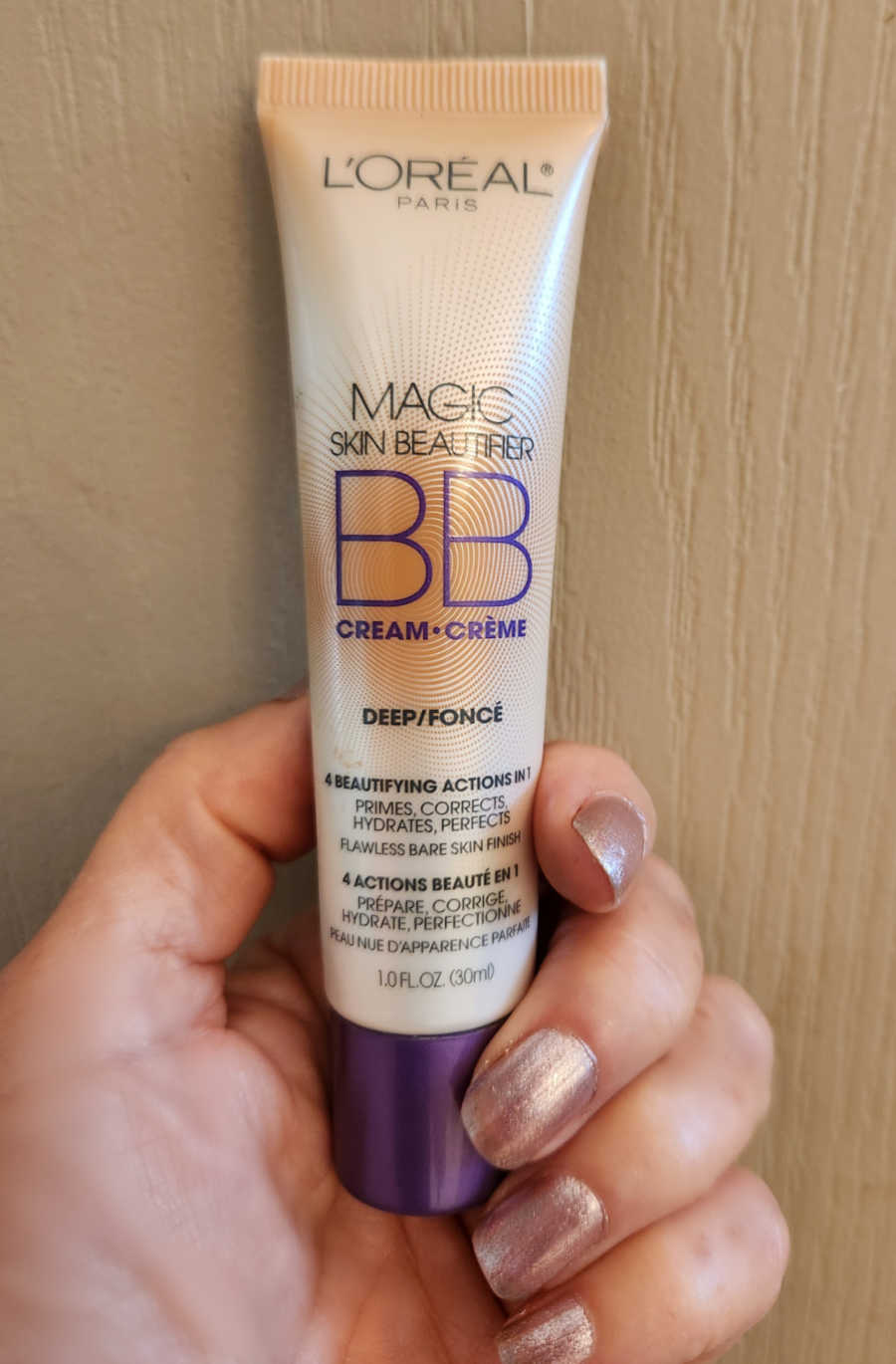
If you’re trying to solve a specific issue — like redness, oiliness, or dry patches — the “best” BB cream usually depends on that one problem. I’m creating a few quick guides for those next.
So what does BB cream do
Most BB creams aim for a “your skin, but smoother” type of finish.
Depending on the formula, they can:
- lightly even out tone (redness, blotchiness, freckles)
- blur the look of texture better than some foundations
- add a soft tint or warmth (especially if you run pale)
- give light coverage that’s quick to apply
- feel more comfortable than heavier base makeup on a normal day
Quick reality check
BB cream labels can be all over the place. Some include SPF, some don’t. Some claim “skincare benefits,” but the amounts are usually small.
I treat BB cream as makeup first, skincare second.
I still follow my regular skincare routine and use sunscreen every day — BB cream is simply the makeup step that helps my tone look more even.
If you’re deciding between BB cream, foundation, or other base products, I walk through those options on my face makeup guide for women over 40.
What BB cream claims to replace — and how I actually use it
Even though some BB creams are marketed as all-in-one makeup products with ingredients like hyaluronic acid or vitamin C, I don’t count on them to treat my skin.
I follow my regular skincare routine and use BB cream as a finishing step for tone and warmth.
You can see my full over-40 skincare routine here.
Why BB creams can look totally different once they’re on
BB creams used to be pretty straightforward — more like a hydrating primer than makeup.
Today, that’s not the case. Some wear sheer and glowy, others lean matte, and some apply more like a light foundation. That’s why choosing one now is less about the name and more about how it finishes and how it actually wears on your skin.
Many formulas offer sheer to moderate coverage while moisturizing, evening out tone, and sometimes including SPF — which is great, but it also means not every BB cream will look or feel the same once it’s on.
How to choose the right one for you
When it comes to BB creams, the name on the tube matters less than how it actually looks and feels on your skin. Some formulas look glowy, some lean more matte, and others wear closer to a light foundation — so the finish matters more than the label.
I don’t buy BB cream expecting it to replace my skincare. If I want real results from ingredients like retinol or vitamin C, I use dedicated skincare products for that.
I choose BB cream for the makeup payoff — evening out my skin tone, adding warmth, and giving my complexion a smoother-looking finish without heavy coverage.
I use BB cream for what it does best
I use BB creams to conceal, even out skin tone and warm my complexion because that's what this product does best. Here are a few things to consider when choosing a BB cream:
Skin type: Some formulas are made for oily, dry, or sensitive skin. Pick one that suits your needs — and don’t overpay just because it claims extra skincare benefits.
Coverage: BB creams range from sheer to moderate coverage. Choose the level that looks best on your skin.
Shade: Most people do best choosing a shade that matches their skin tone as closely as possible.
Here is how I use drugstore BB cream for mature skin
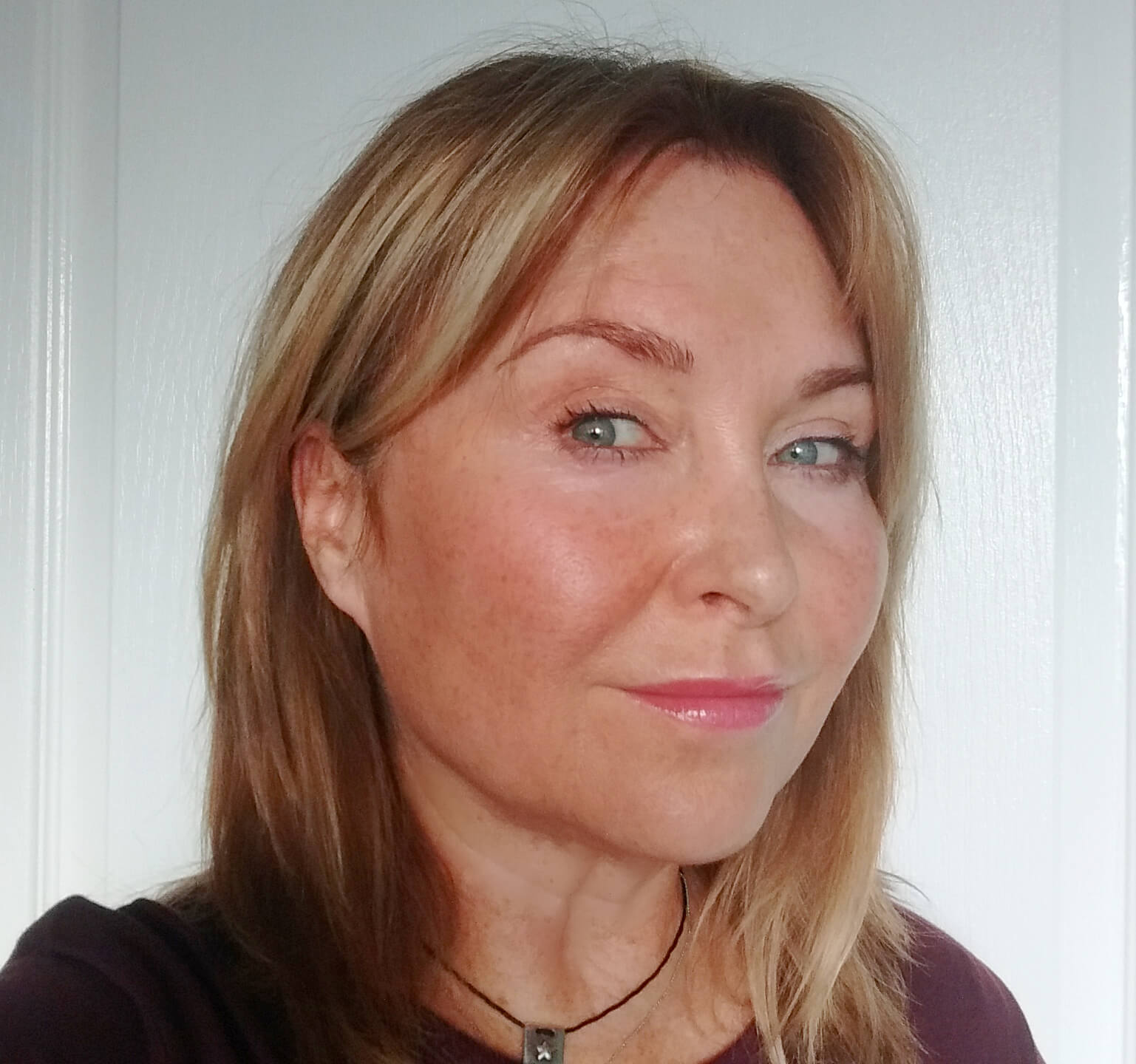 I’m over 60 in this photo, and I use BB cream mainly to add warmth and even out tone — not for heavy coverage.
See the darker, sun-kissed tone on my right cheek? That’s a dab of L’Oréal Magic BB Cream in the Dark shade. I left the other side bare so you can easily see the difference on my fair, freckled skin.
How I apply it
Applying it is simple.
I use it as the final step in my skincare routine, after cleansing and applying serums or a light face oil, moisturizer, and sunscreen.
ABZ tip: L’Oréal Magic BB Cream does not include SPF.
I take a small amount and gently massage it all over my face using my fingertips, starting at the forehead and working down to the neck.
For this particular formula, fingertips give me the best finish. (Some thicker BB creams do fine with a sponge or paddle brush — this one blends faster by hand.)
Why use Loreal Magic BB Cream?
I’ve tried quite a few BB creams over the years, and honestly, most of them didn’t work for me. Some looked greasy, others went on streaky or patchy, and many felt drying — which only made my skin look older.
At one point, I started to wonder if BB creams just weren’t a great option for mature skin.
Then I tried L’Oréal Magic BB Cream — almost as an afterthought — and it did exactly what I wanted. It evened out my tone, added warmth, and didn’t cling to dry areas or fine lines.
It’s not fancy. It’s not expensive. But it gives my skin a healthier, more even look without feeling heavy or drying — and that’s why it’s the one I keep coming back to.
Be careful what you read ...
I came across a magazine review of BB creams that raved about a “remarkably healthy radiance” from a particular product. Naturally, I was curious — so I tried it.
My results? It was just okay. It didn’t feel especially hydrating, and under certain lighting my skin actually looked shiny, almost glittery. You could definitely tell I was wearing makeup.
That doesn’t mean it’s a bad BB cream. Someone with very dry or dull skin might love it. But for me — especially at that price — it wasn’t impressive enough to repurchase.
That’s why I’m cautious with glowing reviews. BB creams can look and feel completely different from one person to the next, and hype doesn’t always translate to real-life wear — especially on mature skin.
My quick take on BB cream for older skin
Have a question or want to share your experience?
I'd love to hear from you! Visit my Questions & Comments page to ask a question, share a tip, or tell me what's worked for you.
Stay Connected with Me
Want to see what I’m up to? I’ll keep you posted on new products I’m trying, little tricks I’ve discovered, new finds, and a few personal updates too.

About the Author:
Linda Robison is a Certified Facial Fitness Specialist and founder of Anti-Aging Beauty Zone, where she shares practical tips, products, techniques, and at-home options for women over 40. She personally tests many of the methods she writes about.
Experience: Linda spent nearly 15 years as an Anti-Aging Health Advisor at the Life Extension Foundation and has over 30 years of experience testing facial anti-aging techniques, including training in Carolyn’s Facial Fitness. Her work has been featured in GB News and Beauty Box Magazine. You can view her background on LinkedIn and follow her on Pinterest.
Found this helpful? Tap the ♡ in the bottom right corner.
FOLLOW OR SAVE

Stay Connected with Me
Want to see what I’m up to? I’ll keep you posted on new products I’m trying, little tricks I’ve discovered, new finds, and a few personal updates too.
Affiliate disclosure: As an Amazon Associate and affiliate for other brands, I may earn a commission from qualifying purchases, at no extra cost to you. [Read Disclosure.] A quick note: I create the content on this site and sometimes use AI tools for writing and images. I review everything for accuracy, and my before-and-after photos are my own.
Anti-Aging Beauty Zone (ABZ): Small Changes, Big Results!
ALL CONTENT COPYRIGHT© 2013-
ALL RIGHTS RESERVED REGARDLESS OF LINKS OR ATTRIBUTIONS
ALL CONTENT COPYRIGHT© 2013-
ALL RIGHTS RESERVED
REGARDLESS OF LINKS OR ATTRIBUTIONS