- Home
- Reduce Puffy Eyes
- Hormonal puffy eyes
Hormonal Puffy Eyes: Why They Happen & What Helps During Menopause and Cycle Changes

Puffy eyes don’t always mean you slept badly or ate something salty the night before.
Hormonal puffy eyes usually show up when shifts in estrogen and progesterone change how your body holds fluid. And because the skin under the eyes is thin, that swelling often shows there first.
For many women, this type of puffiness follows a pattern. It may appear during certain weeks, feel worse in the morning, or show up during times when your body feels slightly “off,” even if your skincare routine hasn’t changed.
In most cases, this swelling is temporary and fluid-based — not a medical problem. But when you look in the mirror and see under-eye bags staring back at you, it’s still frustrating.
On this page, I’ll explain:
• why hormones affect under-eye puffiness
• why it’s often worse in the morning
• what actually helps reduce the look of swelling
Once you recognize the pattern, a few small changes can make a visible difference.
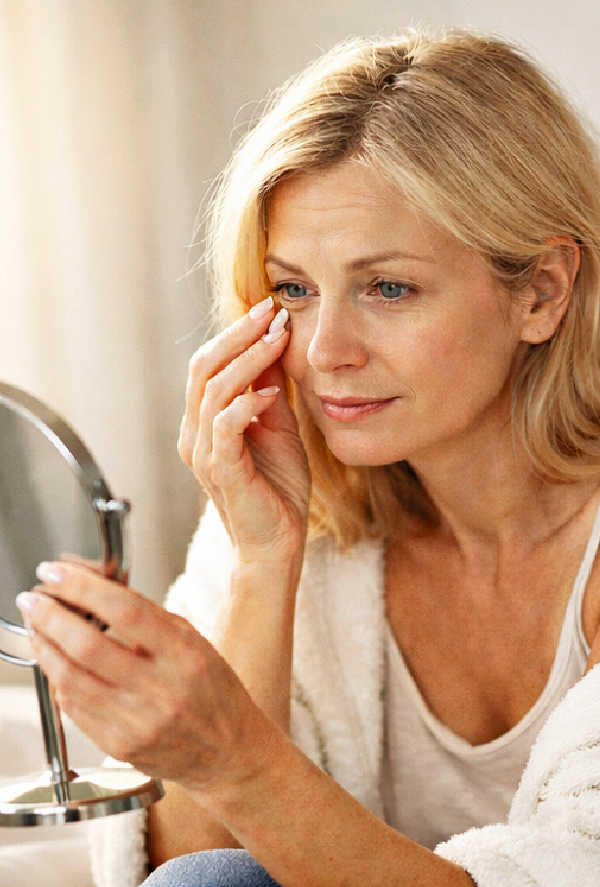 Under-eye puffiness linked to hormonal changes is common and often temporary.
Hormones are just one piece of the puzzle. My full guide on how to reduce puffy eyes covers the other common causes and what helps.
Why hormonal changes can affect puffy eyes
Hormonal shifts can affect how your body holds onto fluid, especially overnight. Because the skin under the eyes is thin, swelling often shows there first.
This is why under-eye puffiness often shows up during certain points in the cycle, through perimenopause or menopause, or after poor sleep. It’s mainly about fluid movement and timing.
Hormonal Puffy Eyes vs. Allergy or Sleep-Related Puffiness
Not all under-eye swelling is hormone-related.
Hormonal puffiness usually:
- follows a monthly or menopause-related pattern
- looks worse in the morning
- improves as the day goes on
Allergy-related puffiness often:
- comes with itching or redness
- feels irritated
- worsens during allergy season
Sleep-related puffiness:
- happens after poor night of sleep
- improves quickly after rest
If your puffiness keeps showing up at certain times — and you can’t blame it on allergies, salt, or a rough night — hormones may be playing a role.
I have allergies and sleep issues at times too, so tracking it on a calendar helped me see what was actually hormonal and what wasn’t. I started jotting it down for a month, and it surprised me how predictable it actually was.
Why puffiness often looks worse in the morning
Puffy eyes tend to look more noticeable in the morning for simple, timing-related reasons.
When you’re lying flat overnight, fluid can settle in areas where the skin is thin, like under the eyes. Morning circulation also starts off slower and improves as you get up and move around, which is why swelling often eases as the day goes on.
When under-eye swelling tends to show up
For many women, puffy eyes follow familiar patterns — even when skincare and products stay the same.
You might notice puffiness more often:
- During certain points in your cycle: Some weeks, the eye area just looks fuller or more swollen.
- After stress or poor sleep: Restless nights, middle-of-the-night wakeups, or tension often show on the face the next morning.
- When products don't absorb: When swelling is already present products don’t absorb as well, so eye creams can sit on the surface and make puffiness look more noticeable.
What helps reduce hormonal puffy eyes
When puffiness is caused by fluid shifts and timing, helping the area calm down and drain tends to work best.
You don’t need a complicated routine. A few small, repeatable habits — like cooling, gentle movement, and smarter product choices — can make the biggest visible difference.
Cooling is one of the easiest ways to improve how puffy eyes look, especially in the morning.
- Cold compresses: A clean washcloth soaked in cool water and rested over closed eyes for a few minutes can help encourage fluid to move out of the area. A cold compress for puffy eyes works best when used first thing in the morning.
- Chilled spoons: Keeping two teaspoons in the fridge and gently placing the curved side under your eyes can feel surprisingly effective. Light pressure is enough — no rubbing.
- Cooling eye patches: These can be helpful when you want a quick, soothing boost. Look for ones that feel refreshing rather than tight or tingly, and use them as part of a calm routine — not as a last-minute fix.
Cooling works best when it’s gentle and consistent. Think “wake-up nudge,” not shock therapy.
Note: I also share a few quick morning de-puffing tricks in my quick tips for puffy eyes guide.
Gentle massage and circulation
When puffiness feels fluid-based, gentle movement can help the area look less swollen — especially when done consistently and with a light touch.
- Light pressure matters: This isn’t about digging in or “working out” the skin. Soft, gliding pressure is enough to encourage movement without irritating the delicate under-eye area.
- Slow, lymph-style movements: Think short, outward strokes and small motions rather than fast rubbing. A minute or two in the morning is plenty — more pressure doesn’t equal better results here.
- Using a jade roller: A jade roller for puffy eyes can be a nice option if you like tools. Used gently and slowly, it helps you keep pressure light and movements controlled. Some people also like the cooling feel, especially first thing in the morning.
Massage works best as part of a calm routine — not a rushed fix. When you keep it gentle and consistent, the under-eye area often looks smoother and less heavy as the morning goes on.
Simple skincare tweaks that help
When under-eye puffiness is fluid-related, a few small changes in how you use skincare can make a noticeable difference — without changing your whole routine.
- Stick with lightweight eye creams: If rich or greasy eye creams tend to make your eyes look more swollen, switch to a lighter formula. Heavy creams can trap moisture under the eyes, which may exaggerate puffiness — especially in the morning or during hormonal changes.
- Use an eye serum instead of cream on puffy days: On mornings when swelling is noticeable, I often skip eye cream and use a lightweight eye serum instead. It absorbs faster, feels lighter on the skin, and won’t seal in extra fluid.
- Use a targeted puffy-eye serum when you need extra help: If bags are obvious, a de-puffing or tightening eye serum can help reduce the look of swelling temporarily. Use a tiny amount and let it set before makeup. I’ve tested several tightening and de-puffing formulas — you can see my full breakdown of the best puffy eye serums here.
- Pause before makeup: Give any eye product a minute or two to absorb. This simple step helps prevent pooling, creasing, and that heavy look later in the morning.
When eyes are puffy think: less product, lighter textures, and temporary serums for a better look.
What doesn’t help (but is commonly done)
When eyes are already puffy, the goal is to calm the area — not irritate it further. These everyday habits can quietly make swelling linger longer.
- Using strong face products too close to the eyes: Ingredients like retinol or exfoliating acids can migrate into the under-eye area, even if you didn’t apply them there on purpose. That irritation can trigger inflammation, which often shows up as more puffiness or sensitivity. Simple fix: Keep retinol and acids one finger-width away from the under-eye area.
- Overdoing eye products: Using too much product — or reapplying several times — won't improve results. Excess product can sit on the skin and contribute to that heavy, swollen look. Simple fix: Use one eye product at a time, in a very small amount.
- Aggressive rubbing or tugging: Rubbing doesn’t help fluid drain but could irritate thin, reactive skin and can make puffiness linger longer. Simple fix: Use light tapping or gentle outward strokes, not friction.
Bottom line: When puffiness is present, less stimulation, lighter touch, and calmer skin usually work better than trying to do more.
When puffiness is cosmetic — and when it’s worth paying attention
Most of the time, under-eye puffiness is simply cosmetic. It comes and goes, looks worse in the morning, and improves as the day goes on — especially with sleep, cooling, or gentle movement.
That kind of puffiness is common and usually tied to timing, fluid, or routine changes.
But it’s worth paying attention if puffiness is sudden, painful, very uneven, or only on one side, especially if it doesn’t improve or feels different than usual. In those cases, it makes sense to get it checked — not because it’s common, but because it’s out of pattern.
For most women reading this, though, puffy eyes are about appearance and habits — not a bigger issue.
Some women search for “hormonal imbalance and puffy eyes.” In most cases, under-eye swelling is linked to temporary fluid shifts during normal hormonal changes — not a diagnosed imbalance. But if puffiness is persistent or comes with other unusual symptoms, it’s worth speaking with a healthcare provider.
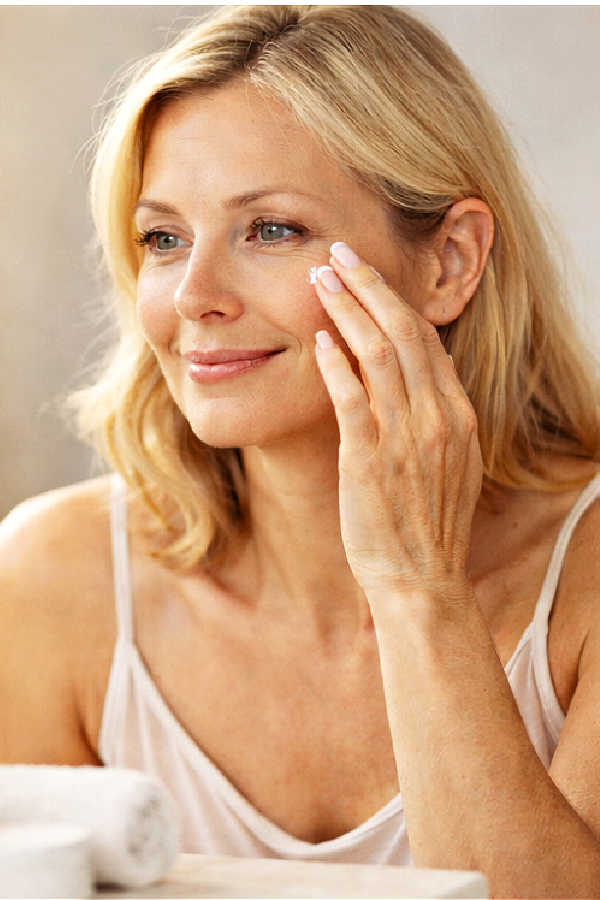
How this connects to other types of puffy eyes
Hormonal shifts can definitely make under-eye swelling more noticeable — but they’re not the only cause.
If your puffiness changes day to day, shows up after salty foods, allergies, crying, poor sleep, or looks worse when you wake up, you’ll find more help in my main guide that covers the common causes and the fastest fixes:
How to Reduce Puffy Eyes: Causes, Remedies & Treatments
Quick note: This page focuses on why hormonal puffiness happens and the everyday habits that can make swelling worse during hormone shifts.
My main puffy eyes guide is where I keep the full routine, product options, and the broader list of triggers.
Once you recognize your pattern — hormones, sleep, stress, or allergies — you can stop guessing and focus on the few things that actually help swelling go down.
Frequently asked questions about hormonal puffy eyes
Can hormones cause under-eye puffiness?
Can hormones cause under-eye puffiness?
Yes. Changes in estrogen and progesterone can affect how your body holds fluid, and swelling often shows first under the eyes because the skin there is thin.
Why are my eyes puffier during menopause?
Why are my eyes puffier during menopause?
During menopause and perimenopause, fluctuating estrogen levels can increase fluid retention, especially overnight, making under-eye swelling more noticeable.
Does low estrogen cause puffy eyes?
Does low estrogen cause puffy eyes?
Low or fluctuating estrogen can influence circulation and fluid balance, which may make under-eye puffiness appear more often during hormonal shifts.
How long does hormonal puffiness last?
How long does hormonal puffiness last?
Hormonal puffiness is usually temporary and improves as fluid redistributes during the day. Recognizing timing patterns helps manage it more effectively.
Stay Connected with Me
Want to see what I’m up to? I’ll keep you posted on new products I’m trying, little tricks I’ve discovered, new finds, and a few personal updates too.

About the Author:
Linda Robison is a Certified Facial Fitness Specialist and founder of Anti-Aging Beauty Zone, where she shares practical tips, products, techniques, and at-home options for women over 40. She personally tests many of the methods she writes about.
Experience: Linda spent nearly 15 years as an Anti-Aging Health Advisor at the Life Extension Foundation and has over 30 years of experience testing facial anti-aging techniques, including training in Carolyn’s Facial Fitness. Her work has been featured in GB News and Beauty Box Magazine. You can view her background on LinkedIn and follow her on Pinterest.
Found this helpful? Tap the ♡ in the bottom right corner.
FOLLOW OR SAVE

Stay Connected with Me
Want to see what I’m up to? I’ll keep you posted on new products I’m trying, little tricks I’ve discovered, new finds, and a few personal updates too.
Affiliate disclosure: As an Amazon Associate and affiliate for other brands, I may earn a commission from qualifying purchases, at no extra cost to you. [Read Disclosure.] A quick note: I create the content on this site and sometimes use AI tools for writing and images. I review everything for accuracy, and my before-and-after photos are my own.
Anti-Aging Beauty Zone (ABZ): Small Changes, Big Results!
ALL CONTENT COPYRIGHT© 2013-
ALL RIGHTS RESERVED REGARDLESS OF LINKS OR ATTRIBUTIONS
ALL CONTENT COPYRIGHT© 2013-
ALL RIGHTS RESERVED
REGARDLESS OF LINKS OR ATTRIBUTIONS